
Double Tested
Research catalog
Shop verified research supply
Every vial ships from a COA-verified, double-tested batch — cold-stored and sealed until it reaches your lab.
- COA-verified batches
- Cold-chain handling
- Individually sealed vials
- Discreet, tracked shipping
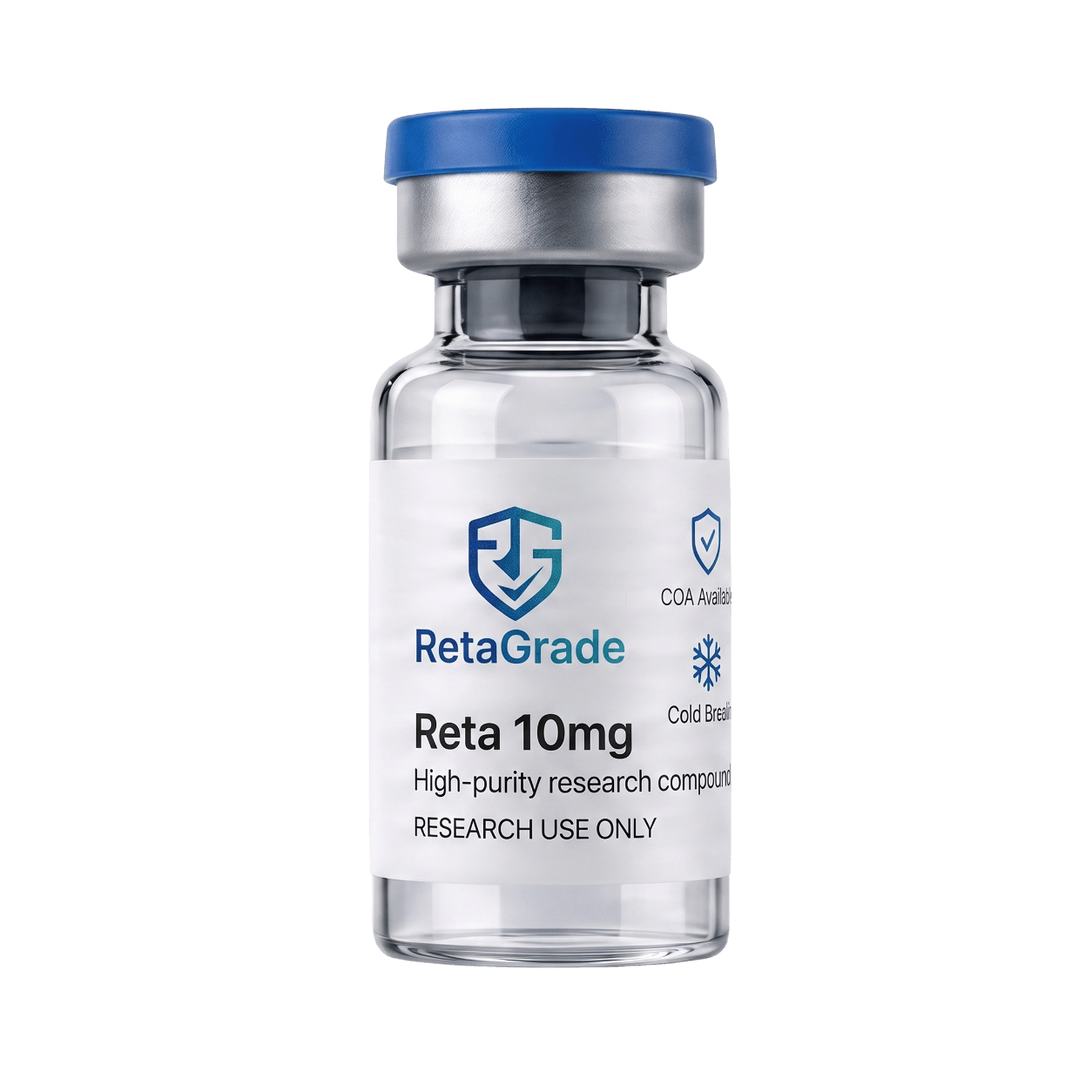
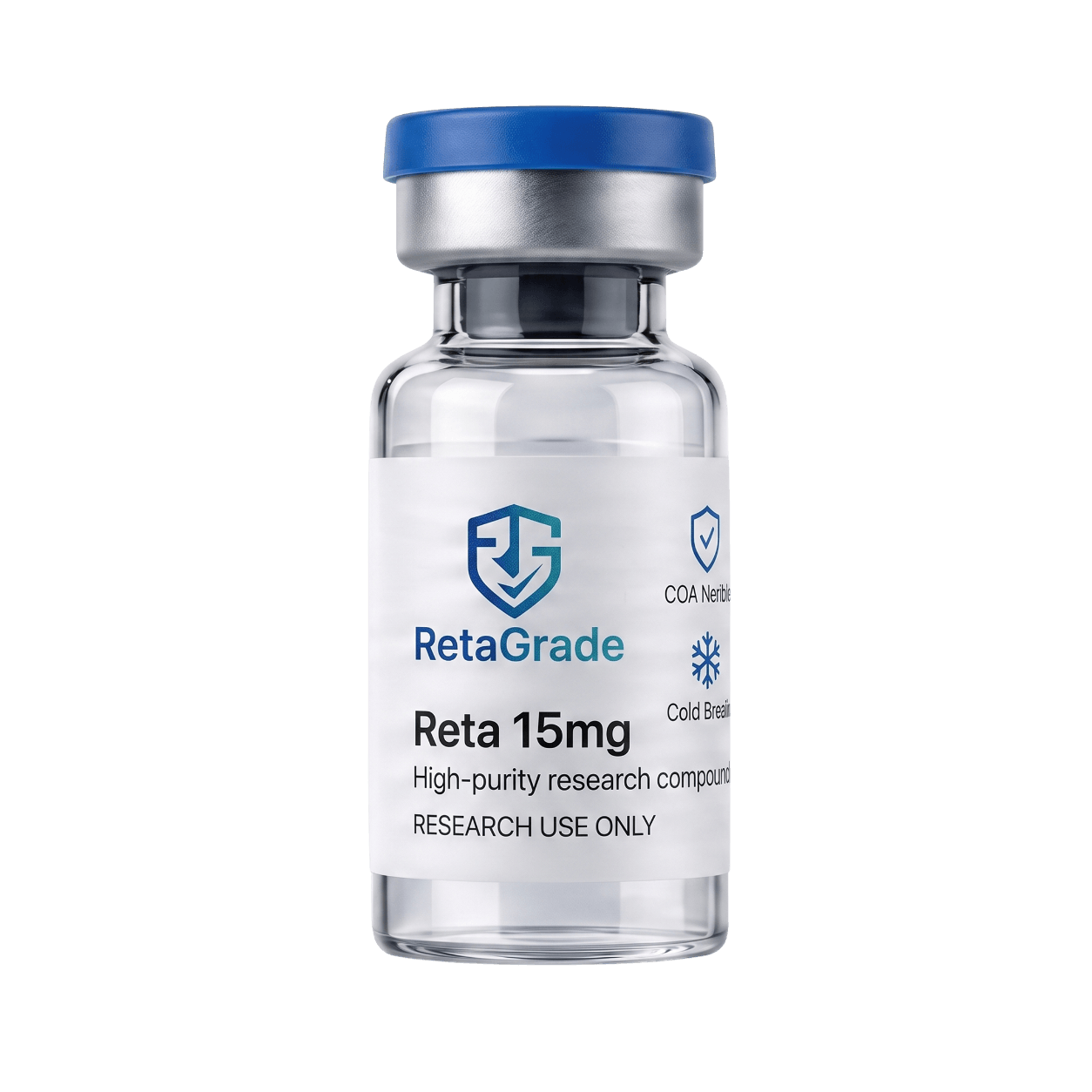
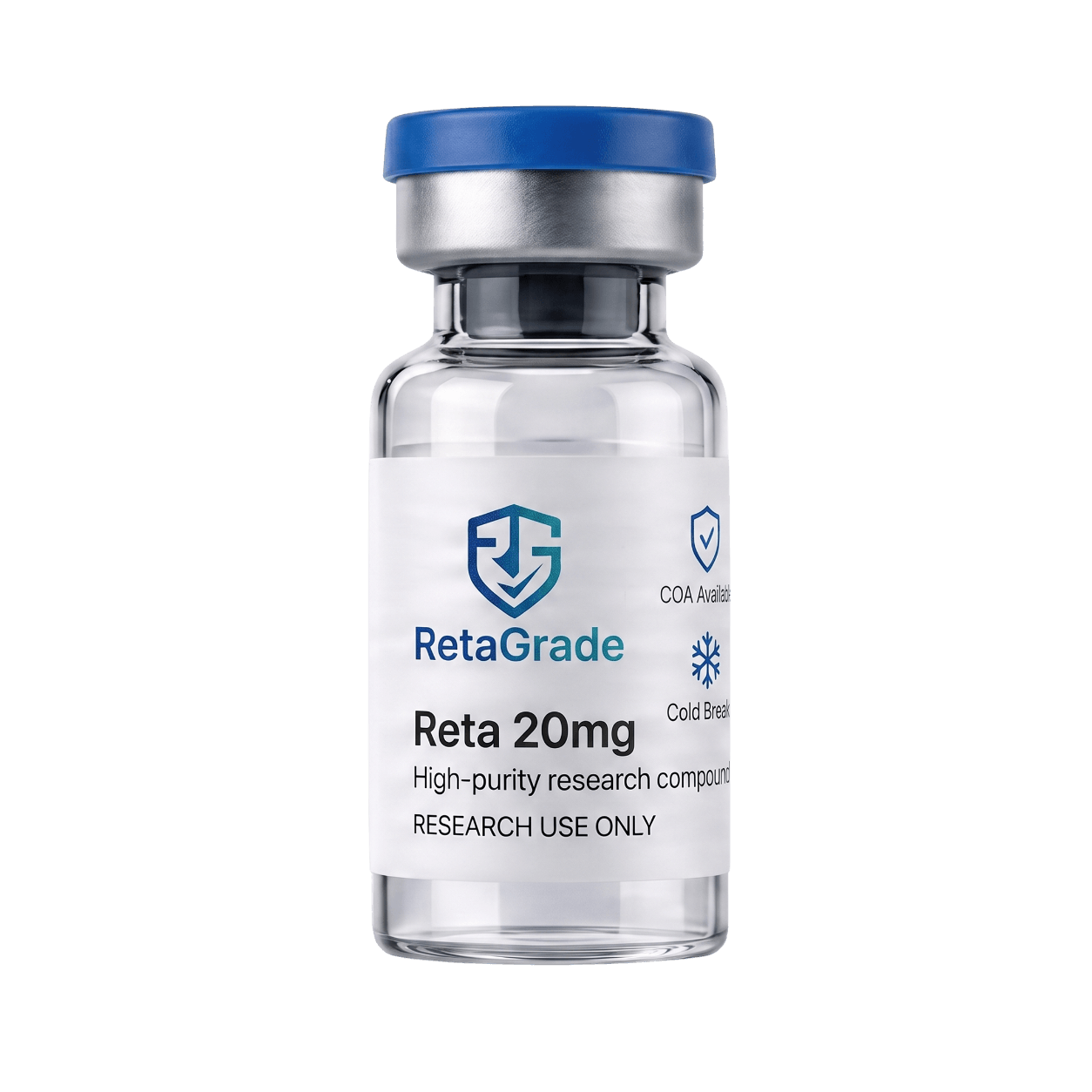
The Reta Line
Retatrutide · lyophilized · 10 / 15 / 20 mg
Reconstitution & Supplies
Prepare · handle · store
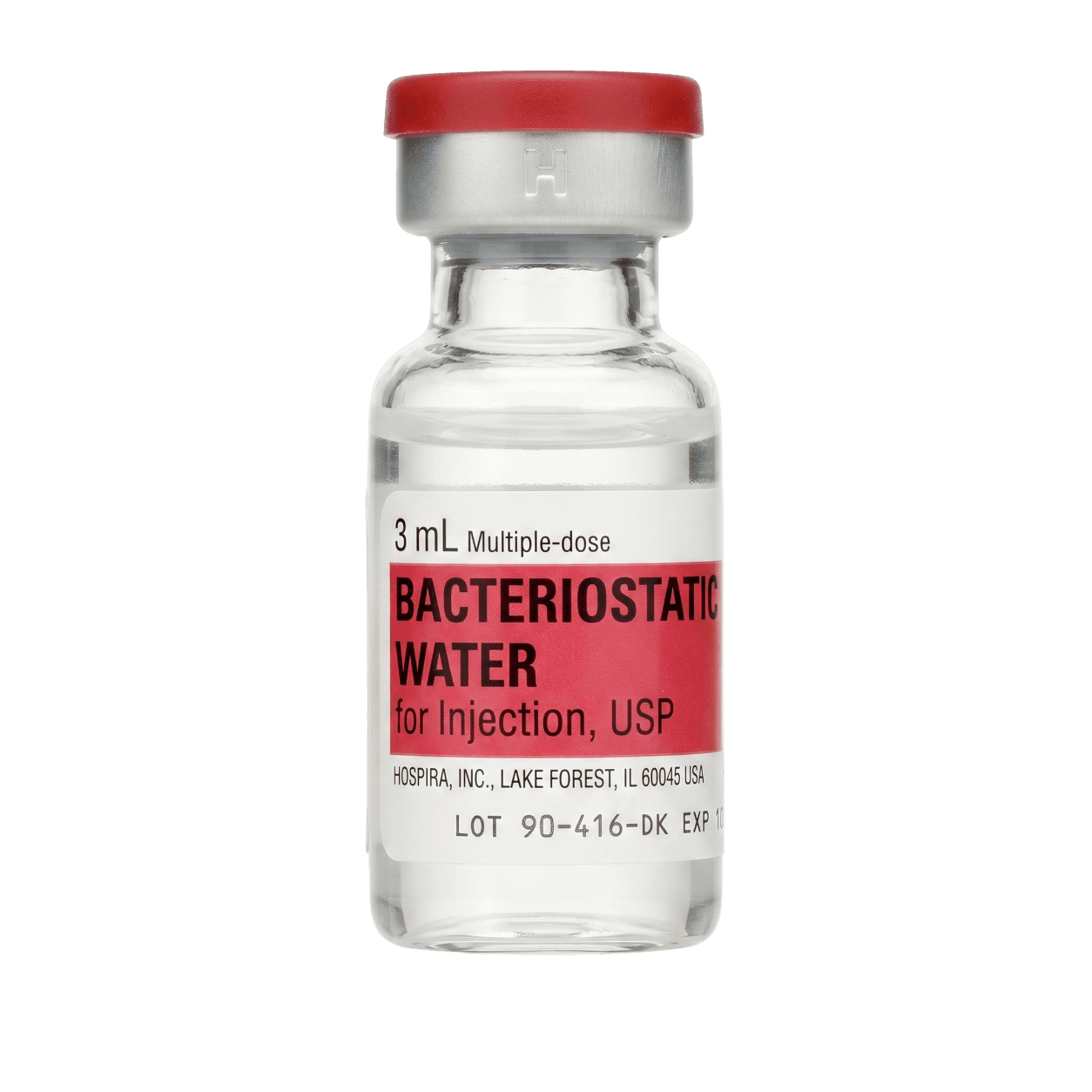
Bacteriostatic Water (3 mL)
3 mL multiple-dose vial of sterile bacteriostatic water for injection, USP, containing 0.9% benzyl alcohol as a preservative.
$9.99
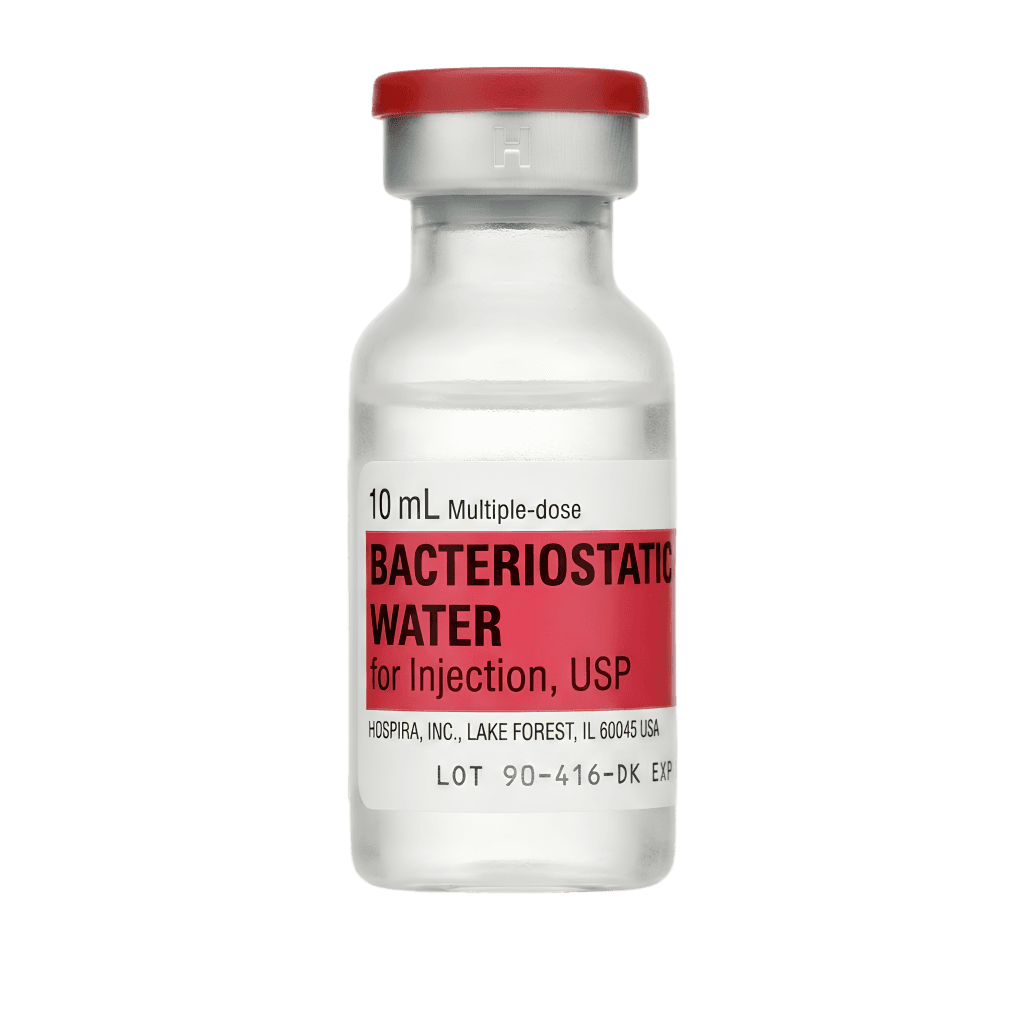
Bacteriostatic Water (10 mL)
10 mL multiple-dose vial of sterile bacteriostatic water for injection, USP, containing 0.9% benzyl alcohol as a preservative.
$19.99
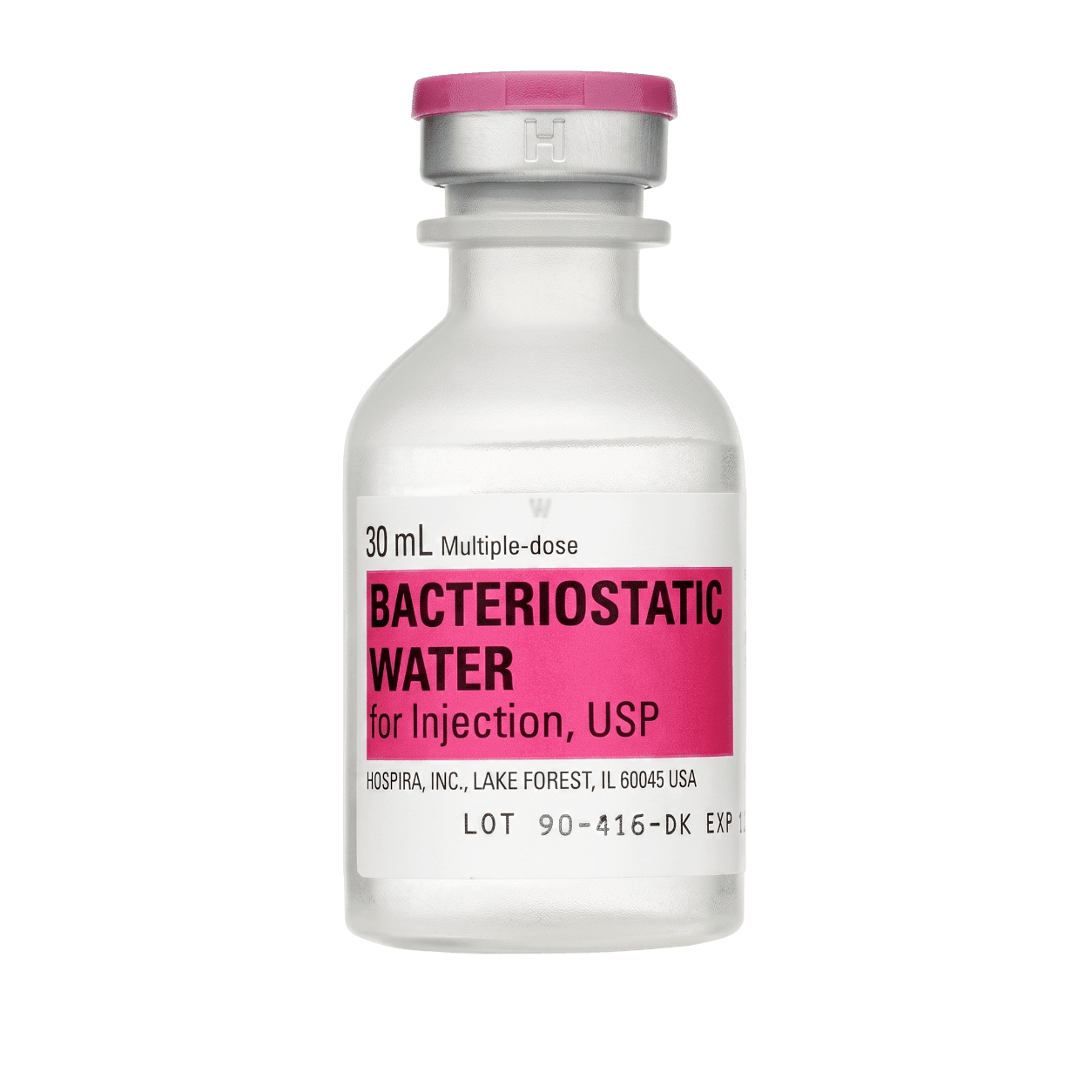
Bacteriostatic Water (30 mL)
30 mL multiple-dose vial of sterile bacteriostatic water for injection, USP, containing 0.9% benzyl alcohol as a preservative.
$29.99
Every vial ships with a verifiable COA
Scan the QR code on your label or enter the batch number to see purity, identity, and water-content results for your exact batch.
Choosing and handling retatrutide research vials
Strengths · certificates · storage
RetaGrade supplies lyophilized retatrutide in three vial strengths alongside the bacteriostatic water, sterile vials, and filters a lab needs to bring that material into solution. Everything below describes laboratory handling of a research chemical. Retatrutide is an investigational compound: it is not approved for human or veterinary use, and nothing here is guidance for it.
Choosing between 10 mg, 15 mg and 20 mg
The three strengths hold the same lyophilized retatrutide and differ only in how much of it is sealed in the vial. That choice matters for two practical reasons. The first is concentration: the volume of diluent a vial can reasonably take is fixed by the vial, so the labeled mass sets the range of concentrations available to you. Two millilitres of bacteriostatic water in a 10 mg vial gives a nominal 5 mg/mL; the same two millilitres in a 20 mg vial gives 10 mg/mL.
The second is cost per milligram, shown on every card above. The 20 mg vial carries the lowest per-mg price, which is what matters when a protocol will consume material over weeks. Against that, retatrutide in solution has a far shorter usable life than the dry cake, so the largest vial is not automatically the most economical choice for short or low-concentration work.
What a Certificate of Analysis actually certifies
A COA is a laboratory's signed report on one specific lot — never a general claim about the product line. The certificates behind these batches are issued by ILS Laboratories and cover peptide purity by RP-HPLC, identity confirmation, net peptide content in milligrams, heavy metals by ICP-MS, sterility, bacterial endotoxin per USP <85>, and a fentanyl screen.
Reading one is mostly a matter of matching things up. Confirm the lot number on the certificate is the lot printed on your vial: a certificate for a different lot tells you nothing about the vial in your hand. Note the analysis date, because purity is a measurement taken on a day, not a permanent property. Read net peptide content alongside purity rather than instead of it — purity is the fraction of the peptide present that is retatrutide, while net content is how many milligrams of peptide the vial actually holds, and a protocol needs both numbers. Then check that the contaminant panel reads not detected rather than not tested.
Storing and handling lyophilized material
Vials ship sealed and cold-stored. As a dry cake retatrutide is comparatively stable and is normally kept refrigerated, protected from light, with the stopper undisturbed; freezing an unopened vial is reasonable for long-term storage, but repeated freeze-thaw cycling is not — each cycle is a stress event on the peptide.
Lyophilized peptide is hygroscopic, which is why vials are sealed under vacuum and why a vial should be allowed to reach room temperature before the stopper is ever pierced. Opening a cold vial into humid air condenses water onto the powder before you have added any diluent at all. Once the material is in solution the constraints tighten considerably: a reconstituted vial belongs in the refrigerator rather than on the bench, and should be treated as having a much shorter working life than the sealed powder it came from.
What reconstitution involves
Reconstitution is the step that turns the dry cake into a solution of known concentration. In outline: the diluent is measured out — bacteriostatic water for most work, sterile water where a preservative is unwanted — both stoppers are wiped with alcohol, and the diluent is introduced slowly down the inside wall of the vial rather than jetted onto the cake, because peptides are shear-sensitive and foaming denatures material. The vial is then swirled, never shaken, until the cake has fully dissolved and the solution is clear.
Concentration is arithmetic, not judgement: labeled mass divided by the volume of diluent added, expressed in mg/mL. The reconstitution calculator does that for any vial and volume pairing, and the illustrated guide walks the sequence in order.
Retatrutide buying questions
Batches · storage · shipping
Is the retatrutide sold here intended for human use?
No. RetaGrade supplies retatrutide as a research chemical for authorized laboratory use only. It is an investigational compound that is not approved for human or veterinary use, and we do not provide, publish, or advise on human protocols of any kind.
What is the difference between the 10 mg, 15 mg and 20 mg vials?
Only the mass of lyophilized retatrutide sealed in the vial. The material, the batch testing, and the packaging are identical across the line. The strength determines the range of concentrations you can prepare from a given volume of diluent, and it determines the price per milligram, which falls as the strength rises.
Does every retatrutide vial come with a Certificate of Analysis?
Yes. Every vial ships from a batch with a lot-level certificate covering purity by RP-HPLC, identity, net peptide content, heavy metals, sterility, endotoxin, and a fentanyl screen. The certificate is published as issued by the laboratory, without any RetaGrade restatement of an analytical value.
How do I verify the COA for the batch I received?
Read the lot number from the vial label or scan the QR code on it, then enter that lot in the COA lookup. You will get the certificate for that exact lot as a PDF. If the lot on your label does not resolve to a published certificate, contact us before using the material.
How should lyophilized retatrutide be stored after it arrives?
Keep the sealed vial refrigerated and away from light; freezing is appropriate for longer storage, but avoid repeated freeze-thaw cycles. Let a cold vial warm to room temperature before piercing the stopper, since lyophilized peptide is hygroscopic. Reconstituted material must stay refrigerated and has a much shorter working life.
What concentration will a vial produce once reconstituted?
Labeled mass divided by the volume of diluent added. A 10 mg vial with 2 mL of bacteriostatic water is nominally 5 mg/mL; a 15 mg vial with the same 2 mL is 7.5 mg/mL; a 20 mg vial is 10 mg/mL. The reconstitution calculator works out any other pairing.
Should I use bacteriostatic water or sterile water?
Bacteriostatic water contains 0.9% benzyl alcohol as a preservative, which is why it is the usual choice when a vial will be entered more than once over a period of days. Sterile water contains no preservative and suits single-entry preparations or work where benzyl alcohol would interfere with the assay.
How are orders packaged and shipped?
Vials are individually sealed, packed cold with an insulated cold pack, and sent in plain outer packaging with tracking. Orders placed on business days are typically dispatched the next business day, and the tracking number is emailed as soon as the label is scanned.
More answers live in the full FAQ, and shipping timelines and returns are covered on the shipping page.